
The Strategic Importance of a Robust Layer Battery Cage for Large-Scale Sierra Leone Poultry Farms
For large-scale poultry farms in Sierra Leone, achieving consistent egg production and profitability hinges on the strategic selection of housing infrastructure. This section details how a robust Layer Battery Cage system directly addresses local operational challenges while maximizing farm output and bird welfare.
- Enhanced Bird Management: Automated systems for feeding, watering, and egg collection reduce labor needs by approximately 30-40%.
- Improved Health & Hygiene: The elevated design and manure removal belts keep birds separated from waste, significantly lowering disease incidence.
- Superior Feed Conversion: Controlled feeding in the layer battery cage minimizes waste, directly improving feed-to-egg ratios.
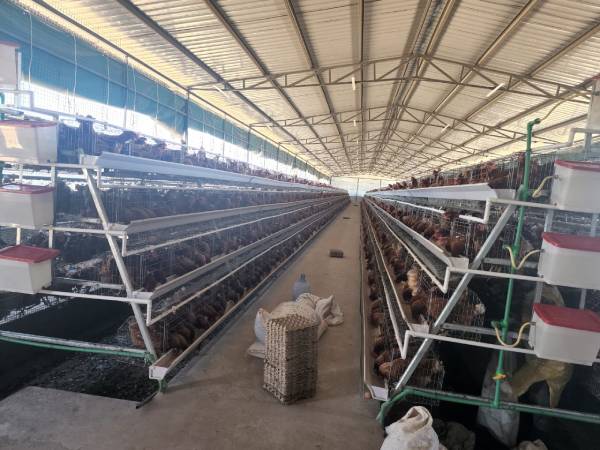
Implementing this system translates to measurable financial returns. A case study from a 20,000-bird farm in Bo District demonstrated a clear impact after installation:
- Egg production increased by 18% within six months due to reduced stress and better environmental control.
- Mortality rates dropped by 22%, preserving capital invested in the flock.
- Overall operational efficiency gains led to a projected ROI within 2.5 years.
In summary, investing in a high-quality layer battery cage system is a foundational decision for scaling Sierra Leonean poultry operations. We provide A-type cages with reinforced galvanized steel for tropical climates and offer localized technical support. To receive a customized layout and ROI analysis for your farm size, please contact our team.
Evaluating Layer Battery Cage Specifications for 20,000-Bird Operational Efficiency
Evaluating the specifications of a Layer Battery Cage system is fundamental to achieving operational efficiency at a 20,000-bird scale. This analysis goes beyond basic dimensions, focusing on how each technical detail contributes to bird welfare, labor productivity, and long-term farm profitability.
- Tier Configuration: A-Type systems are common, but H-Type cages offer superior space efficiency for large flocks, potentially reducing the overall building footprint.
- Material & Coating: Opt for heavy-gauge, hot-dip galvanized steel to withstand humid climates and ensure a lifespan exceeding 10 years.
- Critical Dimensions: Cage depth (often 450-600mm), wire spacing, and feeder/nipple drinker placement directly impact feed access, egg collection ease, and bird health.
| Specification Category | Critical Parameter for 20K Birds | Operational Impact |
|---|---|---|
| Structural Design | Galvanized steel thickness (≥2.0mm) | Determines system longevity and resistance to corrosion. |
| Manure Management | Manure belt width and clearance | Affects hygiene, ammonia levels, and labor for cleaning. |
| Feeding System | Linear feeder length per bird | Ensures uniform feed access, minimizing competition and waste. |
In regions like Sierra Leone, where operational challenges include high humidity and variable power supply, these specifications require careful adaptation. A robust Layer Battery Cage must integrate features such as enhanced ventilation panels and optional manual backup systems for egg collection belts. The ultimate goal is to create a controlled environment that maximizes lay rates and egg quality while simplifying daily management for your workforce.
Selecting the right cage specifications is a direct investment in your farm’s daily efficiency and bottom line. We provide customized Layer Battery Cage layouts with detailed ROI projections for 20,000-bird setups. Contact our technical team to request a site-specific plan and cost breakdown.
How the Right Layer Battery Cage System Enhances Flock Management and Egg Production
In Sierra Leone’s growing poultry sector, effective flock management is directly linked to profitability. This section explores how a modern Layer Battery Cage system, specifically the A-type design, addresses local challenges like feed waste and disease control to significantly boost egg output and operational oversight.
A well-designed Layer Battery Cage system streamlines daily management. The tiered A-type structure organizes birds efficiently, allowing for precise monitoring and care.
- Automated feeding and watering systems reduce manual labor by up to 60% and cut feed spillage, a major cost in Sierra Leone.
- Eggs roll away onto collection belts immediately, keeping them clean and reducing breakage to below 2%.
- Separated tiers and waste belts improve hygiene, drastically lowering the risk of disease spread within the flock.
The result is a measurable increase in production efficiency and egg quality. Farms using structured cage systems often report:
- Improved feed conversion ratios, meaning less feed is needed per egg produced.
- Higher peak lay rates sustained for longer periods, with some operations seeing over 90% production.
- More uniform egg size and shell quality, which commands better market prices.
For Sierra Leonean farmers, investing in the right equipment is a strategic decision for growth. We provide durable, hot-dip galvanized A-type cages designed for the local climate, backed by installation support and training. Contact us for a customized project layout and ROI analysis tailored to your farm’s scale.

Calculating the Long-Term Profitability of Your 20,000-Bird Layer Battery Cage Investment
This section explores the key financial factors beyond the initial purchase price that determine the true return on a major 20,000-bird Layer Battery Cage system in Sierra Leone. We will analyze operational costs, productivity gains, and lifespan to build a complete profitability picture.
- Initial Investment: The price of the layer battery cage units, automated feeding/watering systems, and installation.
- Operational Efficiency: Reduced labor costs per bird and lower feed waste due to controlled distribution.
- Durability & Maintenance: The longevity of galvanized steel and the frequency/cost of part replacements.
On the revenue side, a well-managed layer battery cage directly enhances income through:
- Higher Egg Production: Reduced bird stress and disease transmission lead to more consistent laying rates.
- Improved Egg Quality: Automated egg collection minimizes cracks and contamination.
- Better Feed Conversion Ratio (FCR): Efficient feeding systems ensure more feed is converted into saleable eggs.
For example, a farm in Bo, Sierra Leone, with a 20,000-bird A-type system reported a 12% reduction in labor costs and a 5% increase in saleable eggs within the first year, significantly accelerating payback.
Ultimately, your long-term profit hinges on the cage system’s durability and support. We provide the layer battery cage with a 15-year structural warranty and local technical assistance to maximize uptime. [Contact us] for a customized 20,000-bird ROI projection based on current Sierra Leone input costs.
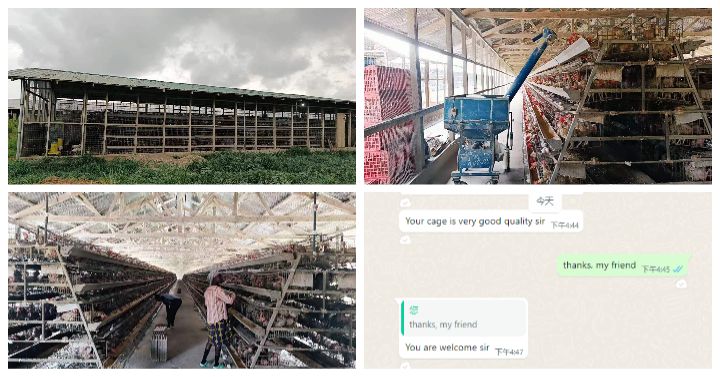
Securing Your Farm’s Future: The Final Steps to Acquiring Your 20,000-Bird System
This final section outlines the crucial steps to finalize your investment in a 20,000-bird layer battery cage system, ensuring a secure and productive future for your Sierra Leone farm.
First, finalize the technical layout and equipment list. This includes confirming the exact number of tiered rows and the precise configuration of the layer battery cage units to optimize your building space and bird welfare.
Next, secure the necessary logistical and support agreements. Key steps are:
- Arrange shipping and customs clearance for all components.
- Confirm the schedule for on-site installation and commissioning by qualified technicians.
- Finalize the operator training program for your local staff.
With contracts signed and plans locked in, you can confidently proceed. We provide durable, locally-supported layer chicken systems designed for Sierra Leone’s conditions. Contact us to finalize your order and schedule delivery.