
In Nigeria’s vibrant and growing agricultural landscape, poultry farming holds significant promise. As farmers seek efficient and sustainable solutions, battery cages for layers emerge as a game-changer, offering a multitude of benefits that can transform your poultry operation.
The Nigerian Poultry Industry Context
Nigeria, with its large population and growing demand for protein, presents a fertile ground for poultry farming. However, challenges such as limited land availability, disease outbreaks, and the need for cost-effective production methods demand innovative solutions. Enter battery cages for layers.

Space Optimization and Efficiency
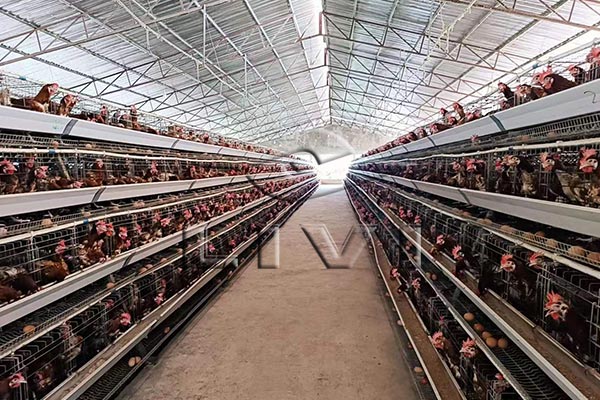
In a country where land is a precious resource, battery cages in Nigeria maximize space utilization. These cages are designed to house a large number of hens in a compact area, allowing farmers to make the most of their available land. For instance, a modern battery cage system can hold up to [X] hens in a space that would be insufficient for traditional housing methods. This not only saves on land costs but also enables better management and monitoring of the flock.
Enhanced Hygiene and Disease Prevention
Nigeria’s tropical climate poses a risk of rapid disease spread among poultry. Battery cages offer a hygienic environment for hens, reducing the likelihood of diseases and parasites. The design allows for easy removal of manure and waste, minimizing the accumulation of harmful bacteria. This leads to healthier hens, lower mortality rates, and increased egg production. Studies have shown that farms using battery cages experience significantly fewer disease outbreaks compared to those with traditional housing.
Cost-Effectiveness Over Time
While the initial investment in battery cages may seem substantial, the long-term cost benefits are substantial. The increased egg production and reduced mortality rates result in higher revenues and lower replacement costs for hens. Additionally, the efficient use of space reduces the need for extensive infrastructure and land acquisition, saving on construction costs. Over time, farmers can expect a significant return on investment, making battery cages a smart choice for sustainable poultry farming.
Improved Egg Quality and Marketability
Hens housed in battery cages produce cleaner eggs due to reduced exposure to dirt and contaminants. This not only enhances the quality of the eggs but also makes them more marketable. Consumers in Nigeria are increasingly demanding high-quality, hygienic eggs, and battery cages help farmers meet this demand. Clean eggs command a better price in the market, boosting profitability and ensuring a stable income for farmers.
Technological Advancements in Poultry Equipment
Battery cages in Nigeria are part of a broader trend of technological advancements in poultry farming equipment. These cages often come equipped with automated feeding, watering, and egg collection systems, reducing labor requirements and increasing operational efficiency. With the integration of technology, farmers can monitor the health and productivity of their hens in real-time, making informed decisions and optimizing their farming practices.
Sustainability and Environmental Impact
In addition to their economic benefits, battery cages also have a positive environmental impact. By reducing waste and minimizing the use of land and resources, they contribute to sustainable poultry farming. Moreover, the efficient management of manure can be used for biogas production or as fertilizer, further enhancing the sustainability of the farming operation.
In conclusion, battery cages for layers offer a comprehensive solution for Nigerian farmers looking to enhance their poultry farming operations. With their space optimization, hygiene benefits, cost-effectiveness, and improved egg quality, these cages are a valuable investment in the future of your farm. Embrace the power of modern poultry equipment and unlock the full potential of your poultry business in Nigeria.