
The poultry farming industry is evolving rapidly, with technological advancements paving the way for more efficient and productive operations. As we look ahead to 2025, understanding the best poultry equipment price list for layer farms is crucial for both seasoned farmers and newcomers. This article will delve into the various types of equipment available, their price ranges, and the benefits of investing in high-quality products for your layer farm.
Introduction
Poultry farming has become a cornerstone of the agricultural sector, providing a steady supply of eggs and meat to meet the growing global demand. For layer farms, where the primary focus is egg production, having the right equipment is essential to ensure optimal productivity and animal welfare. In this guide, we’ll explore the best poultry equipment for layer farms in 2025, highlighting cost-effective options and the advantages of modern farming tools.
Types of Poultry Equipment for Layer Farms
1. Feeding Systems
Automated feeding systems are designed to deliver precise amounts of feed to your poultry, reducing waste and ensuring consistent nutrition. In 2025, the price for these systems ranges from $150 to $2,000, depending on the size and features. Investing in a high-quality feeding system can significantly boost your farm’s efficiency.
2. Watering Systems
Ensuring your poultry has constant access to clean water is vital for their health and productivity. Watering systems, including drinkers and automated waterers, vary in price from $50 to $1,500. These systems can be customized to suit your farm’s specific needs, offering a reliable solution for water management.
3. Housing and Cages
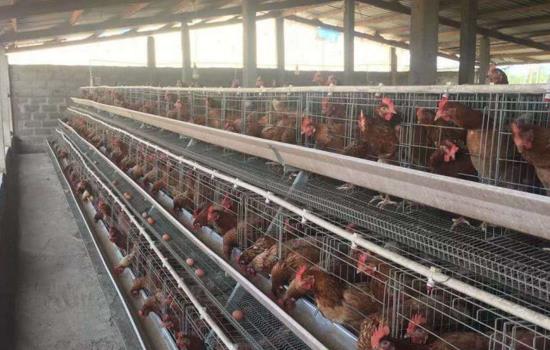
The design and material of poultry housing can impact both the well-being of the birds and the ease of farm management. Prices for housing and cages range from $2,000 to $20,000. Opting for durable materials like galvanized steel can extend the lifespan of your investment and provide a safe environment for your layers.

4. Climate Control Systems
Maintaining an optimal environment is critical for egg production. Climate control systems, including heating and ventilation, can cost between $200 and $3,000. These systems help regulate temperature and air quality, reducing stress and promoting better health among your flock.
5. Egg Collection and Handling
Automated egg collection systems streamline the process of gathering eggs, reducing labor costs and minimizing the risk of damage. Prices for these systems start at $2,300, offering a worthwhile investment for larger operations aiming to enhance efficiency.
Price Considerations and Applications
Feeding and Nutrition Management
Automated feeding systems not only save time but also ensure that each bird receives the right amount of feed, improving overall health and productivity. By reducing feed wastage, these systems can lead to significant cost savings over time.
Water Supply Management
Investing in reliable watering systems is crucial for maintaining flock health. Automated drinkers reduce manual labor and ensure a consistent water supply, which is essential for egg production and bird welfare.
Climate Control
High-quality climate control systems help maintain the ideal conditions for poultry, reducing stress and improving growth rates. These systems are particularly beneficial in regions with extreme temperatures, offering a stable environment for your layers.
Biosecurity Measures
Effective housing solutions play a vital role in minimizing disease transmission. By investing in robust and secure cages, farmers can protect their flocks from external threats, ensuring long-term productivity and reducing veterinary costs.

Benefits of Investing in Quality Poultry Equipment
Durability
High-quality poultry equipment is built to withstand harsh farming conditions, reducing the need for frequent replacements. This durability translates to long-term cost savings and reliable farm operations.
Efficiency
Modern equipment incorporates advanced technologies that enhance resource management, leading to increased productivity and reduced operational costs. Automated systems streamline daily tasks, allowing farmers to focus on other critical aspects of farm management.
Ease of Use
User-friendly designs make it easier for farm workers to operate equipment efficiently, reducing the learning curve and minimizing errors. This ease of use contributes to smoother farm operations and better overall performance.
Scalability
Investing in scalable equipment allows farmers to expand their operations without the need for complete replacements. This flexibility is particularly beneficial for growing farms looking to increase their production capacity.
Support and Maintenance
Reputable manufacturers offer warranties and customer support, providing peace of mind and ensuring that any issues are promptly addressed. This support is crucial for maintaining the longevity and performance of your equipment.
Conclusion
Investing in the best poultry equipment for layer farms in 2025 requires careful consideration of both the initial costs and the long-term benefits. While high-quality equipment may come with a higher price tag, the return on investment through increased productivity, reduced labor costs, and improved flock health makes it a worthwhile expenditure. By understanding the various types of equipment available and their applications, you can make informed decisions that will enhance the success of your poultry operation.