
Quick Answer: How Much Does a 10,000 Layer Poultry Farm Cost?
The cost to set up a 10,000 layer poultry farm battery cages depends on the cage type, automation level, poultry house design, local construction cost, shipping destination, and whether the project includes only cage equipment or a complete farm system.
For most commercial egg farm investors, the budget can be divided into two parts:
| Cost Item | Estimated Budget Range |
|---|---|
| Layer cage equipment only | USD 10,000 – 25,000+ |
| Automatic feeding, drinking, manure removal, egg collection | USD 5,000 – 10,000+ |
| Poultry house construction | Depends on local material and labor cost |
| Feed storage, water system, power supply, installation | Depends on project design |
| Chicks or point-of-lay birds | Depends on local market price |
| Working capital before stable egg sales | Depends on feed cost and farm operation |
In simple terms, if you are planning a 10,000 layer chicken farm, you should not only ask, “What is the cage price?” A better question is:
What is the complete investment needed to build a 10,000 layer egg production system that can operate efficiently for many years?
That is why a reliable poultry equipment supplier should help you calculate the cage layout, chicken house size, automation level, shipping volume, installation plan, and long-term operating cost before giving a final quotation.
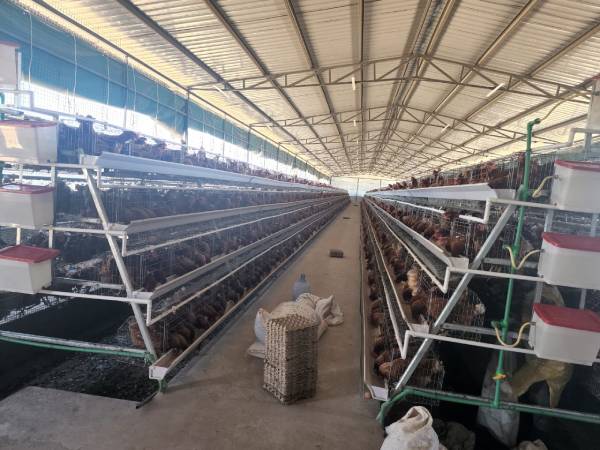
What Is Included in a 10,000 Layer Battery Cage Farm?
A 10,000 layer poultry farm is already a commercial egg production project. It is not only about buying cages. A complete setup usually includes:
- Layer battery cage system
- Automatic or semi-automatic feeding system
- Nipple drinking system
- Manure removal system
- Egg collection system
- Chicken house layout design
- Ventilation and lighting planning
- Feed storage or feed delivery support
- Installation accessories and spare parts
- Shipping, packing, and installation guidance
For buyers in Nigeria, Ghana, Kenya, Tanzania, Uganda, Zambia, Sierra Leone, Burkina Faso, Zimbabwe, and the Philippines, the most important point is to match the cage system with the local climate, labor cost, available land, chicken house size, and long-term farm plan.
Main Cost Factors for a 10,000 Layer Poultry Farm
1. Cage Type: A Type Layer Cage or H Type Layer Cage
The cage system is the core of the farm. For 10,000 layers, most buyers will compare A type layer cages and H type layer cages.
A Type Layer Cage
A type layer cage is often suitable for medium-scale egg farms, especially when the buyer wants a practical investment plan with easier management and lower initial cost.
It is commonly used for:
- 10,000 to 20,000 layer farms
- Open or semi-open poultry houses
- Farms with moderate automation needs
- Investors who want stable egg production but want to control the first investment
Main advantages:
- Lower initial investment than H type cages
- Easier ventilation in hot climates
- Simple structure and easier operation
- Suitable for new poultry farm investors
- Can be combined with automatic drinking, manure removal, and semi-automatic feeding
H Type Layer Cage
H type layer cage is more suitable for large-scale and high-density egg production.
It is commonly used for:
- 20,000 to 100,000+ layer farms
- Farms with limited land but higher bird capacity
- Projects requiring automatic feeding, manure removal, and egg collection
- Investors planning future expansion

Main advantages:
- Higher stocking capacity in the same house area
- Better match with full automation
- More suitable for large commercial egg farms
- Lower labor requirement when fully automated
- Better for long-term expansion projects
For a 10,000 layer farm, both A type and H type cages can be used. The final choice depends on your budget, chicken house size, land area, labor cost, and expansion plan.
2. Automation Level: Manual, Semi-Automatic, or Fully Automatic
Automation has a major impact on the total cost of a 10,000 layer farm.
Basic Cage System
A basic cage system usually includes cages and drinking lines. Feeding and manure cleaning may still require more manual work.
This option has a lower starting cost, but it may increase daily labor pressure.
It is suitable for buyers who:
- Have enough local workers
- Want to reduce initial investment
- Are starting their first medium-scale farm
- Prefer simple operation at the beginning
Semi-Automatic System
A semi-automatic system may include automatic drinking, manure removal, and semi-automatic feeding.
This is often a practical choice for a 10,000 layer project because it balances investment and efficiency.
It is suitable for buyers who:
- Want to reduce labor but control budget
- Need cleaner poultry house management
- Want better manure handling
- Are preparing for future expansion
Fully Automatic System
A fully automatic system can include automatic feeding, drinking, manure removal, egg collection, ventilation, and lighting.
This option costs more at the beginning, but it can reduce labor, improve daily management, and make the farm easier to scale.
It is suitable for buyers who:
- Plan long-term commercial egg production
- Want fewer workers
- Need higher management efficiency
- Want to build a more modern poultry farm
- Are planning to expand from 10,000 to 20,000 or 50,000 layers later
3. Poultry House Size and Layout Cost
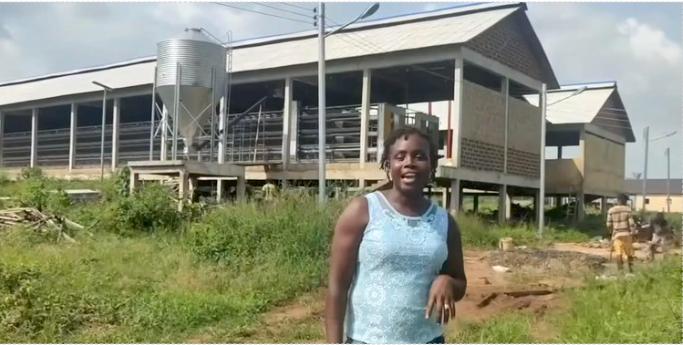
Before buying cages, the poultry house design must be confirmed.
For a 10,000 layer poultry farm, the house size depends on:
- Cage model
- Number of tiers
- Number of rows
- Aisle width
- Feeding system type
- Manure removal method
- Ventilation requirement
- Local climate
- Whether the house is open, semi-open, or closed
A common mistake is buying cages first and then discovering that the chicken house is too short, too narrow, or not suitable for automatic systems.
For example, if the house width is not planned correctly, the feeding machine may not have enough working space. If the house length is too short, the planned cage quantity may not fit. If the height is too low, H type cages or ventilation equipment may not be suitable.
A professional supplier should provide a layout plan before production, including:
- Cage row arrangement
- Feeding line position
- Drinking line position
- Manure belt or scraper layout
- Egg collection direction
- Worker aisle
- Ventilation and lighting suggestion
This helps avoid expensive changes during installation.
4. Equipment Quality and Cage Lifespan
When comparing poultry cage prices, many buyers only look at the lowest quotation. This can be risky.
A cheaper cage may look attractive at first, but poor materials can cause problems such as:
- Rusting
- Weak cage wire
- Broken cage doors
- Poor egg rolling design
- Difficult installation
- Short service life
- Higher maintenance cost
- Lower bird comfort and management efficiency
For commercial egg farms, cage durability matters because the equipment must support daily production for many years.
When checking cage quality, buyers should ask:
- What material is used for the cage wire?
- Is the cage hot-dip galvanized or cold galvanized?
- What is the wire thickness?
- What is the expected cage lifespan?
- Are spare parts available?
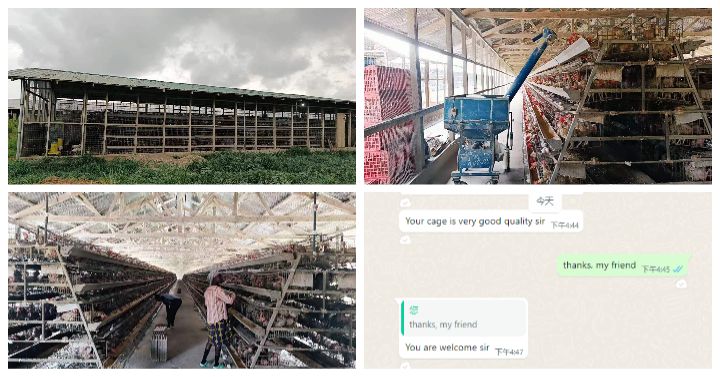
- Can the supplier provide real project cases?
- Can the supplier provide layout drawings before production?
- Does the supplier provide installation guidance?
A durable cage system may cost more at the beginning, but it can reduce long-term maintenance risk.
Estimated Cost Breakdown for a 10,000 Layer Farm
Below is a practical cost structure for planning purposes.
| Project Section | What It Includes | Cost Impact |
| Layer cages | A type or H type cage, frame, trough, accessories | High |
| Drinking system | Nipple drinkers, water pipe, regulator, tank connection | Medium |
| Feeding system | Manual trolley, semi-automatic feeding, or automatic feeding machine | Medium to high |
| Manure removal | Scraper or manure belt system | Medium to high |
| Egg collection | Manual collection or automatic egg collection belt | Medium to high |
| Poultry house | Building structure, roof, wall, floor, ventilation opening | High |
| Ventilation and lighting | Fans, air inlet, lighting design, electrical control | Medium |
| Shipping and packing | Container loading, export packing, destination port | Medium |
| Installation | Local labor, supplier guidance, tools, installation time | Medium |
| Working capital | Feed, vaccines, labor, utilities before steady egg sales | High |
The actual cost can only be confirmed after checking your project information.
What Information Is Needed for an Accurate Quotation?
To get an accurate price for 10,000 layer cage system, you should prepare the following information:
- Country and destination port
- Target bird quantity
- Existing chicken house size or planned land size
- Preferred cage type: A type or H type
- Required automation level
- Whether you need feeding, drinking, manure removal, and egg collection systems
- Whether the chicken house is already built
- Whether you need layout design support
- Local climate conditions
- Future expansion plan
With this information, the supplier can recommend a more suitable solution instead of only sending a general price list.
Is a 10,000 Layer Farm Suitable for A Type or H Type Cages?
For many first-time commercial layer investors, A type layer cage is often a practical starting option for 10,000 birds because it has a lower investment threshold and is easier to manage.
However, if the investor has limited land, wants a more modern farm, or plans to expand to 20,000 or 50,000 layers, H type layer cage may be a better long-term choice.
Here is a simple comparison:
| Factor | A Type Layer Cage | H Type Layer Cage |
| Initial investment | Lower | Higher |
| Bird density | Medium | High |
| Automation match | Semi-automatic or automatic | Better for full automation |
| Ventilation | Easier in open houses | Needs better ventilation design |
| Suitable scale | 10,000–20,000 layers | 20,000–100,000+ layers |
| Expansion ability | Medium | Strong |
| Best for | Practical medium farms | Large commercial farms |
The best choice is not always the cheapest cage. The best choice is the cage system that matches your house, budget, labor condition, and long-term egg production goal.
Hidden Costs Buyers Should Not Ignore
When planning a 10,000 layer farm, some costs are often ignored at the beginning.
Feed Cost
Feed is one of the largest operating costs in layer farming. Even if the cage equipment is well designed, poor feed planning can affect cash flow.
Before starting, investors should estimate:
- Daily feed consumption
- Monthly feed cost
- Feed storage space
- Feed delivery method
- Feed wastage control
An automatic or well-designed feeding system can help reduce feed waste and improve daily management.
Labor Cost
Manual feeding, egg collection, and manure cleaning require workers every day. If labor cost is high or reliable workers are difficult to find, automation becomes more valuable.
Power and Water
A commercial layer farm needs stable water supply and electricity. If automatic systems are used, backup power should also be considered.
Manure Handling
Poor manure management can increase odor, flies, disease risk, and neighbor complaints. A manure removal system is important for cleaner farm operation.
Spare Parts and Maintenance
Buyers should confirm whether the supplier can provide spare parts and technical support. Equipment without spare parts support may become expensive in the long term.
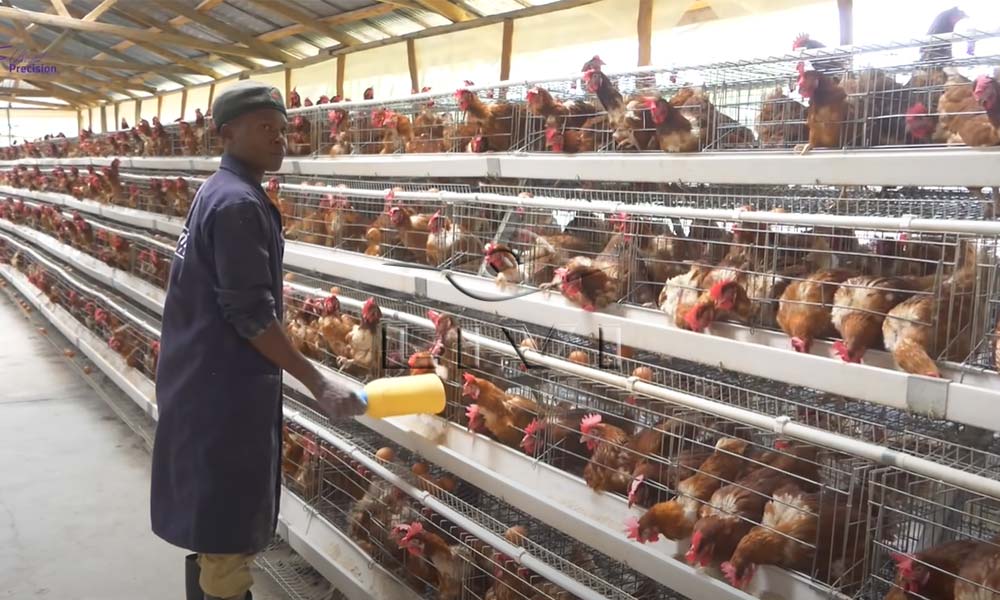
How to Reduce Investment Risk Before Buying Cages
A 10,000 layer farm is a serious investment. Before confirming the order, buyers should follow these steps:
Step 1: Confirm the Target Capacity
Decide whether you want to start with 10,000 layers only or leave space for future expansion.
Step 2: Confirm the Chicken House Size
If the house is already built, send the length, width, and height to the supplier. If the house is not built yet, ask for a recommended house size before construction.
Step 3: Choose the Cage System
Compare A type and H type cages based on your budget, land, ventilation, and labor condition.
Step 4: Decide the Automation Level
For 10,000 layers, many buyers choose automatic drinking, manure removal, and semi-automatic feeding as a balanced solution.
Step 5: Request a Complete Quotation
A useful quotation should include cage system, accessories, automation systems, packing, shipping information, and installation support.
Step 6: Check Supplier Experience
Ask for project cases, layout drawings, product details, and installation support before payment.
Recommended Solution for a 10,000 Layer Poultry Farm
For most medium-scale egg farm investors, a practical solution can be:
- A type layer cage system
- Automatic drinking system
- Scraper or belt manure removal system
- Semi-automatic or automatic feeding system
- Optional egg collection system
- Poultry house layout design
- Installation guidance and spare parts support
This solution is suitable for buyers who want to control the first investment while building a stable commercial egg production system.
For investors who want higher automation and future expansion, an H type layer cage system can also be considered.
Why Work with a Complete Poultry Equipment Supplier?
A complete poultry equipment supplier does more than sell cages. A good supplier should help you answer the important questions before you invest:
- How many birds can fit in my poultry house?
- Which cage type is better for my farm?
- What automation system is worth buying first?
- How much space is needed for feeding and egg collection?
- What is the best manure removal method?
- How many workers will be needed?
- How should the equipment be shipped and installed?
- How can the farm be designed for future expansion?
For a 10,000 layer farm, these answers are more valuable than a simple cage price.

Final Advice: Do Not Start with Price Only
If you are planning a 10,000 layer poultry farm with battery cages, the first question should not only be:
“How much is the cage?”
The better question is:
“What is the most suitable 10,000 layer farm setup for my chicken house, budget, country, labor condition, and future expansion plan?”
A well-planned poultry cage system can help you reduce labor, improve egg collection, manage manure more easily, and build a cleaner, more efficient egg production farm.
Before buying poultry equipment, prepare your bird quantity, chicken house size, country, and automation requirement. Then ask for a complete farm layout and quotation.
Frequently Asked Questions
How much does a 10,000 layer cage system cost?
The cost depends on cage type, automation level, material quality, and shipping destination. A basic cage system costs less, while a complete system with feeding, drinking, manure removal, and egg collection costs more.
Which cage is better for 10,000 layers, A type or H type?
A type cage is often suitable for medium-scale farms and lower initial investment. H type cage is better for higher density, stronger automation, and future expansion.
What poultry house size is needed for 10,000 layers?
The house size depends on cage model, rows, tiers, aisle width, and ventilation design. It is best to confirm the cage layout before building the house.
Is automatic feeding necessary for 10,000 layers?
It is not always necessary, but it can reduce labor and improve feeding efficiency. Many 10,000 layer farms choose semi-automatic feeding as a balanced option.
Is automatic manure removal worth it?
Yes, manure removal is important for cleaner farm management, lower labor pressure, and better poultry house hygiene.
Can I start with basic cages and add automation later?
In some cases, yes. But the chicken house and cage layout should be planned in advance so that future automation can be installed smoothly.
What information should I provide for a quotation?
You should provide your country, destination port, target bird quantity, chicken house size, cage type preference, automation requirement, and future expansion plan.
How long can layer cages last?
The lifespan depends on cage material, galvanization, environment, and maintenance. Buyers should check wire quality, galvanization method, and supplier warranty or support before purchasing.