
In the dynamic world of poultry farming, the battery cage system stands out as a revolutionary method for enhancing productivity and efficiency. If you’re considering setting up a battery cage system for 10,000 layer chickens, understanding the associated costs is crucial for making informed decisions. This guide delves into the various expenses involved, providing insights to help you plan your investment effectively.
Understanding the Battery Cage System
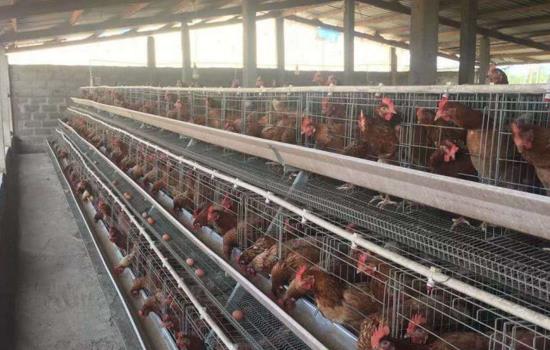
Battery cage systems are designed to optimize space and manage layer chickens efficiently. By providing a controlled environment, these systems ensure the health and productivity of the hens, thereby maximizing egg production. The setup involves multiple tiers of cages, each accommodating a specific number of birds, and includes essential features like feeders, waterers, and perches.
Initial Investment: Cost Breakdown
-
Chicken Cage System Type and DesignThe cost of the battery cage system largely depends on the type and design. There are two primary types: manual and automated systems. Manual systems are more affordable but require more labor, while automated systems, though more expensive, offer increased efficiency and reduced labor costs. The design, including cage size and additional features like nesting boxes, also influences the overall cost.
-
Material and DurabilityBattery cages are typically made from galvanized steel or plastic. Galvanized steel is preferred for its durability and longevity, albeit at a higher cost compared to plastic. The choice of material affects both the initial investment and long-term maintenance costs.
-
Additional FeaturesTo enhance productivity, battery cage systems can be equipped with features like automatic egg collection systems, manure removal systems, and climate control. These features, while beneficial, add to the overall investment.
-
Poultry Equipment ManufacturerDifferent manufacturers offer varying quality, features, and pricing for battery cage systems. It’s essential to research and compare options to find a system that aligns with your budget and operational needs.

Estimated Costs
The cost of setting up a battery cage system for 10,000 layer chickens can range significantly:
-
Cage Costs: The price of the cages themselves can vary from $100 to $200 per unit, depending on the quality and features. For 10,000 birds, this translates to a total cost ranging from $10,000 to $25,000.
-
Additional Equipment: Feeders, waterers, lighting, and ventilation systems are necessary for a fully functional setup. These can cost an additional $5,000 to $10,000.
-
Infrastructure: Constructing a suitable poultry house with necessary infrastructure like ventilation and lighting can cost between $20,000 and $30,000, depending on location and size.
Operational and Maintenance Costs
-
Feed CostsFeed represents a significant portion of ongoing expenses. A laying hen consumes approximately 120-140 grams of feed daily. The cost varies depending on the region and feed quality, making it essential to budget carefully.
-
Labor and UtilitiesOperating a battery cage system requires a dedicated workforce for tasks like feeding and cleaning. Labor costs can range from $2,000 to $4,000 monthly. Additionally, utilities such as electricity and water must be factored into the budget.
-
MaintenanceRegular maintenance is crucial for the longevity of the battery cage system. This includes inspecting, repairing, and replacing worn parts to ensure a safe environment for the hens.

Profitability and Return on Investment
Despite the substantial initial investment and operating expenses, a well-managed battery cage system can be highly profitable. Key factors influencing profitability include:
-
Market Demand and Egg Prices: Conduct market research to understand local demand and pricing.
-
Productivity and Management: Effective management practices, disease prevention, and optimizing feed conversion can significantly enhance profitability.
-
Automation: Investing in automation can reduce labor costs and improve efficiency, contributing to higher returns.
Tips for Novice Farmers
For those new to poultry farming, navigating the complexities of a battery cage system can be daunting. Here are some tips:
-
Seek Professional Guidance: Engage with experienced professionals to understand the specific needs of your flock.
-
Invest in Training: Proper training in managing caged laying hens is crucial for success.
-
Stay Informed: Keep abreast of advancements in poultry farming technology and industry trends.
Conclusion
Investing in a battery cage system for 10,000 layer chickens is a significant undertaking that requires careful planning and budgeting. By understanding the costs involved and implementing best practices, farmers can optimize productivity and profitability. Whether you’re a novice or an experienced farmer, the key to success lies in thorough research, strategic planning, and effective management.
For more detailed pricing and personalized advice, consider consulting with industry experts and chicken cage manufacturers. Embark on your poultry farming journey with confidence, knowing that a well-structured battery cage system can provide a solid foundation for a thriving enterprise.
Call to Action
If you’re ready to take the next step in your poultry farming venture, explore our comprehensive range of battery cage systems and consult with our experts to tailor a solution that meets your specific needs. Visit Livi Poultry Farming Equipment for more information and start your journey towards a successful poultry farming operation today.