
In the world of poultry farming, efficiency and productivity are key. As the demand for eggs continues to rise, poultry farmers are constantly exploring ways to optimize their operations. One popular solution is the use of layer battery cages. But are layer battery cages worth the investment? This article delves into expert advice for poultry farmers, exploring the benefits and considerations of adopting this system.
Understanding Layer Battery Cages
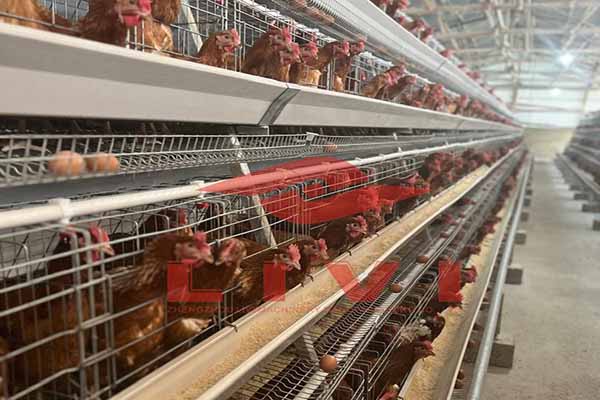
Layer battery cages are a housing system commonly used in commercial egg production. The name “battery” refers to the arrangement of cages in rows and columns, similar to an artillery battery. These cages are designed to house egg-laying hens, providing them with a controlled environment that maximizes productivity.
Key Features of Layer Battery Cages
- Space Efficiency: Layer battery cages allow farmers to house a large number of hens in a compact space. This arrangement conserves space, making it ideal for intensive farming operations.
- Sloping Floors: The design includes sloping floors that facilitate egg collection by allowing eggs to roll to the front of the cage.
- Waste Management: The structure allows for easy waste disposal, reducing the risk of disease transmission.
Advantages of Layer Battery Cages
Enhanced Egg Production
Layer battery cages are engineered to boost egg production significantly. According to industry reports, the use of these cages can increase egg production rates to as high as 98%. This is primarily due to the controlled environment that minimizes stress and promotes consistent laying patterns.
Improved Bird Health
Maintaining the health of the flock is crucial for any poultry farmer. Layer battery cages contribute to healthier birds by reducing exposure to fecal-borne diseases. The design allows manure to fall through the cage floor, keeping the birds clean and minimizing disease risks.
Labor Efficiency
Managing a large flock can be labor-intensive. However, layer battery cages streamline many aspects of flock management. Automated systems for feeding, watering, and egg collection reduce the need for manual labor, allowing farmers to focus on other critical tasks.
Cost-Effectiveness
While the initial investment in layer battery cages can be significant, the long-term benefits often outweigh the costs. Reduced labor expenses, increased egg production, and improved bird health contribute to a more profitable operation.
Considerations for Poultry Farmers
Animal Health Concerns
One of the primary criticisms of layer battery cages is the restriction of natural behaviors. Critics argue that the limited space prevents hens from perching, dust bathing, and foraging. Poultry farmers must balance these concerns with the need for efficient production.
Initial Investment Costs
The cost of setting up a layer battery cage system can vary based on several factors, including cage size, material quality, and installation expenses. Farmers should conduct a cost-benefit analysis to determine the potential return on investment.
Regulatory Compliance
Poultry farmers must be aware of local regulations regarding animal welfare and housing systems. Some regions have specific laws governing the use of battery cages, which may impact their feasibility.

Expert Tips for Choosing the Right Battery Chicken System
- Evaluate Your Space: Assess the available space and determine the number of birds you plan to house. This will help you choose the appropriate cage size and design.
- Prioritize Bird Welfare: Select a system that provides adequate space, ventilation, and lighting to promote bird welfare.
- Consider Material Quality: Invest in high-quality materials to ensure durability and minimize maintenance costs.
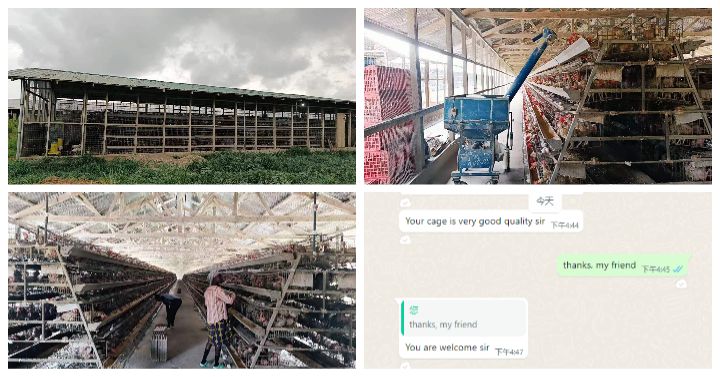
- Research Suppliers: Compare prices and customer reviews to find a reputable supplier that offers reasonable pricing and excellent support.
Conclusion
Are layer battery cages worth the investment? For many poultry farmers, the answer is yes. The benefits of increased egg production, improved bird health, and labor efficiency make these systems an attractive option. However, it’s essential to consider animal welfare concerns, initial costs, and regulatory compliance when making a decision. By carefully evaluating these factors and following expert tips, poultry farmers can make informed choices that enhance their operations.