
The Introduction of battery cage system for layers
Are you a poultry farmer considering the implementation of a battery cage system for layers? To make an informed decision, it’s essential to understand the pricing details, benefits, and other relevant factors associated with this system. Discover the factors that influence the cost of battery cage systems, their advantages, and potential considerations before making your investment.
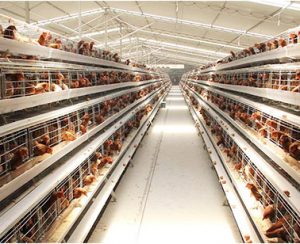
What Is The Price Of Battery Cage System For Layers?
A battery cage system for layers is a housing solution. That designed to accommodate multiple layers in vertically stacked cages, optimizing space and promoting efficient egg production. The price of this system can vary significantly based on several factors
- Cage Material and Quality:The material used in constructing the battery cages. Meanwhile, its quality are primary determinants of the overall cost. High-quality materials may cost a higher upfront expense but offer long-term durability and reduced maintenance costs.
- Cage Size and Capacity:The size and capacity of the battery cage system are crucial factors influencing its price. Larger systems with higher capacity. That will generally be more expensive than small.
- Automation and Technology:Advanced automation features, such as automatic feeding and egg collection systems, can enhance efficiency but may add to the initial investment. However, the long-term benefits often justify the additional cost.
- Manufacturer and Supplier:Different manufacturers and suppliers may offer varying prices for similar battery cage systems. It’s essential to research and compare different options to find a cost-effective and reputable supplier.
- Installation and Transportation:The cost of installation and transportation of the battery cage system should also be considered. Some suppliers may include these expenses in their package, while others might charge separately.
- Additional Accessories:Certain accessories like feeders, waterers, and egg collection trays may be included or sold separately. Factoring in these additional costs is necessary to get a complete picture of the total expenses.
- Local Market and Currency:The location and local market conditions can impact the price of battery cage systems. Additionally, currency fluctuations may affect the cost if the cages are imported.

Factors Influencing the Cost of Battery Cage System for Layers
- Farm Size and Scale:The size of your poultry farm and the number of layers you intend to keep will determine the scale of the battery cage system required. Larger farms with more birds will need more extensive and costly setups.
- Layer Breed and Age:The breed and age of the layers can affect cage requirements, as some breeds may be more active and need additional space.
- Labor Costs:Consider labor costs for installation and maintenance, as well as potential savings from automation features.
- Long-Term Savings:While battery cage systems may have higher initial costs, they can lead to long-term savings through increased egg production and efficient use of space.
The Advantages of Battery Cage Systems for Layers
- Space Optimization:Battery cage systems are designed to maximize space, allowing for higher bird densities without compromising on comfort.
- Easy Egg Collection:Vertical stacking and specialized egg collection trays simplify egg harvesting, reducing labor efforts.
- Improved Hygiene:Cages help keep the eggs cleaner by preventing contact with droppings, leading to higher-quality produce.
- Reduced Bird Stress:Individual cages minimize bird interactions, reducing stress and aggressive behavior among layers.
- Disease Control:Isolating layers in separate cages reduces the risk of disease transmission, enhancing overall flock health.
Considerations Before Investing in Battery Cage Systems
- Ethical Concerns:Battery cage systems have faced criticism for limited movement space. Consider alternative systems if ethical concerns are paramount.
- Compliance with Regulations:Ensure that the chosen system complies with local and international animal welfare regulations.
- Initial Capital Investment:Evaluate your budget and financial capacity to ensure a sustainable investment.
- Maintenance and Cleaning:Regular maintenance and cleaning are crucial for optimal performance and bird well-being.
FAQs
FAQ 1: What is the average lifespan of a battery cage system?
The average lifespan of a well-maintained battery cage system is around 10 to 15 years, making it a long-term investment.
FAQ 2: How many layers can a standard battery cage house?
A standard battery cage can house approximately 80 to 100 layers. That depend on the cage’s dimensions and bird size.
FAQ 3: Can I customize the battery cage system for my farm’s needs?
Yes, good suppliers often offer customizable options to your farm’s specific requirements.
FAQ 4: Are battery cage systems suitable for free-range farms?
Battery cage systems are not suit for free-range farms, as they limit movement space. Consider alternative housing options for free-range setups.
FAQ 5: How can I ensure the welfare of the layers in battery cages?
To ensure the well-being of the layers, provide adequate food, water, ventilation, and regular health checks.
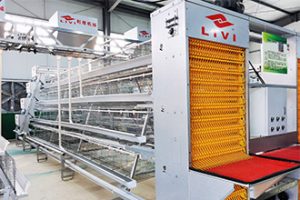
Choosing the right battery cage system for your layer poultry farm involves careful consideration of various factors. By understanding the pricing details, benefits, and considerations, you can make a well-informed decision. LIVI has 25 years of expertise in the poultry farming industry. The company’s business covers more than 80 countries and regions around the world. LIVI offers poultry farm cages consisting of layer, broiler, and chick and we offer automatic poultry farm equipment. One-stop to meet your need.
Please contact us!